How PUBG Name Generators Work
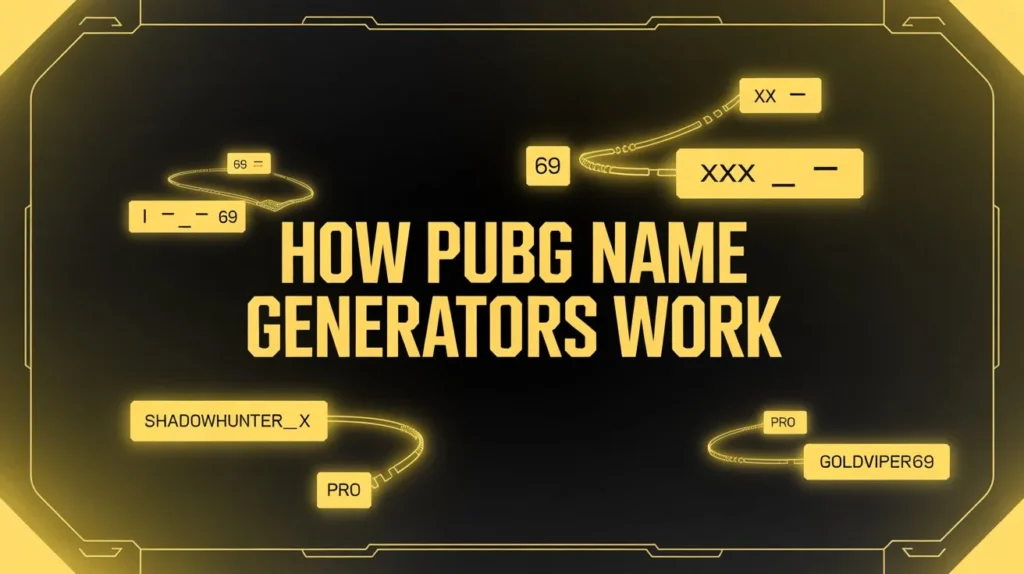
Ever wondered how those flashy PUBG name generators spit out creative nicknames in seconds? These tools aren’t magic—they’re powered by smart algorithms and randomization techniques that combine words, syllables, and patterns to create unique gaming handles. Whether you’re on mobile, PC, or Steam, understanding how these generators work can help you pick the perfect name for your battle royale persona.
The Core Techniques Behind Name Generation
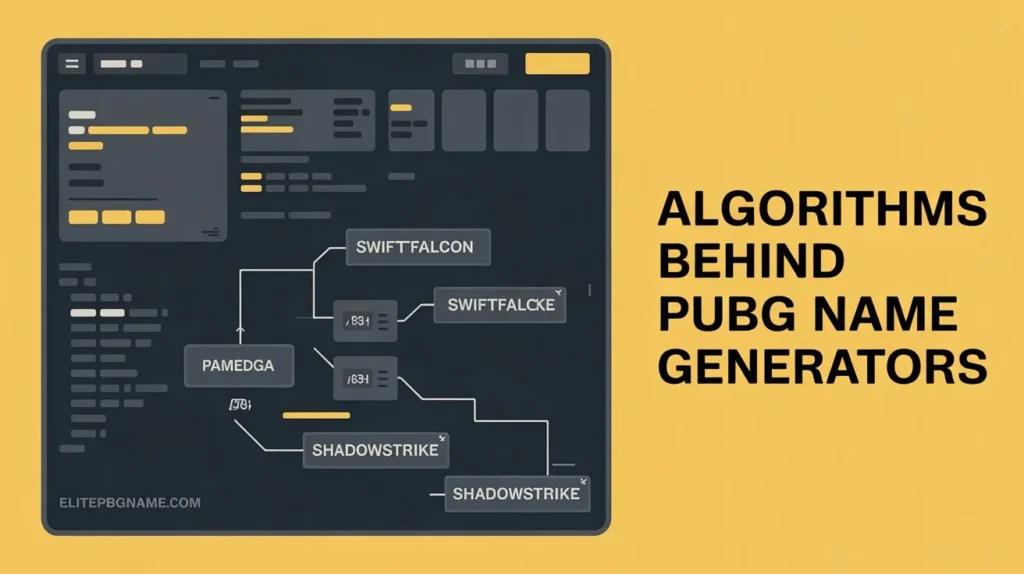
Most PUBG name generators rely on a handful of proven methods. The simplest approach uses dictionary templates. Here’s how it works: the tool picks random words from preset lists and combines them using patterns like [Adjective]+[Noun] or [Action]+[Animal]. For example, you might get “SwiftFalcon” or “ShadowStrike.” It’s quick, clean, and effective.
Random combiners take things further by mixing syllables or word fragments. The algorithm pulls parts from different sources and stitches them together, creating names that sound plausible but didn’t exist before. Think “Blaxtor” or “Krevion”—they roll off the tongue even though they’re completely made up.
More advanced generators use Markov chains, a statistical method that analyzes letter patterns in real names. The system learns which letters typically follow others and generates new sequences that mimic natural language. This creates more believable results than pure randomness.
Rule-based personalization adds another layer. These tools let you specify preferences—gender, style, length, or theme—then apply filters and modifiers. Want something edgy? The algorithm might add prefixes like “Dark” or suffixes like “Reaper.” Prefer something playful? Expect combinations with “Panda” or “Pixel.”
Under the hood, most generators tap into RNG (random number generator) APIs to ensure unpredictability. Each click triggers a fresh set of possibilities, so you’re never stuck with the same boring options.
Comparison Table
| Type | How it works | Example |
| Template-based | Combines preset word categories | [Adjective]+[Animal] → SilentDragon |
| Syllable mixer | Blends random sound fragments | Kor + vex → Korvex |
| Markov chain | Learns letter patterns, generates new sequences | Analyzes “Alexander” → Creates “Alexion” |
Why These Methods Matter for Gamers
Understanding these techniques helps you spot quality generators from lazy ones. A good randomizer offers variety without spitting out gibberish. It balances creativity with readability—crucial when your teammates need to callout your nickname mid-match.
Platform compatibility matters too. Some generators optimize for Steam’s character limits or mobile app restrictions. They filter out symbols that PUBG doesn’t accept and warn you if a name’s already taken.
But here’s the catch: because many players use the same generators, uniqueness collisions happen. Two people might independently generate “PhantomHunter” using similar templates. That’s why the best tools include variation boosters—numbers, special characters, or slight spelling tweaks.
Three Quick Tips for Picking Your PUBG Name
- First, run the generator multiple times. Don’t settle for the first result. Sometimes the perfect gaming handle appears on your fifth or tenth try.
- Second, test pronunciation. Say it out loud. If your squadmates can’t pronounce it quickly during a firefight, it’s not practical.
- Third, avoid personal info. Skip your real name, birthdate, or location. Keep your gaming identity separate from your real-world identity for privacy and safety.
Conclusion
Now you know how PUBG name generators work behind the scenes. These clever tools combine templates, RNG, and algorithms to deliver nickname ideas tailored to your style. Whether you’re creating a fresh account or rebranding your existing profile, using a generator saves time and sparks creativity. Just remember to choose wisely, test for availability, and keep your gaming identity safe. Your perfect PUBG handle is just a few clicks away.