PUBG vs Fortnite: Battle Royale Showdown for Mobile & PC Players
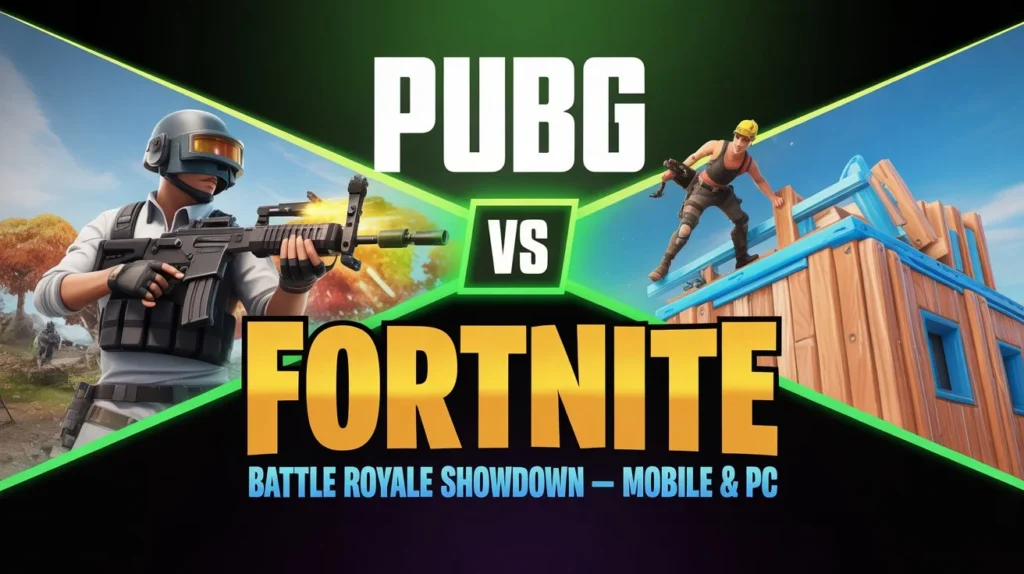
In the past decade, the Battle Royale genre has exploded from a niche mod idea into a global gaming phenomenon. Among the many contenders, two titles stand out as the most influential and defining: PlayerUnknown’s Battlegrounds (PUBG) and Fortnite. Both games reshaped how multiplayer shooters are designed, played, and monetized — yet they represent fundamentally different approaches to game mechanics, visuals, community dynamics, and competitive play.
This article explores the rivalry between PUBG vs Fortnite from the perspective of both mobile and PC players, evaluating core elements such as gameplay, graphics, progression, community engagement, cross-platform experiences, and cultural impact.
Origins of PUBG and Fortnite
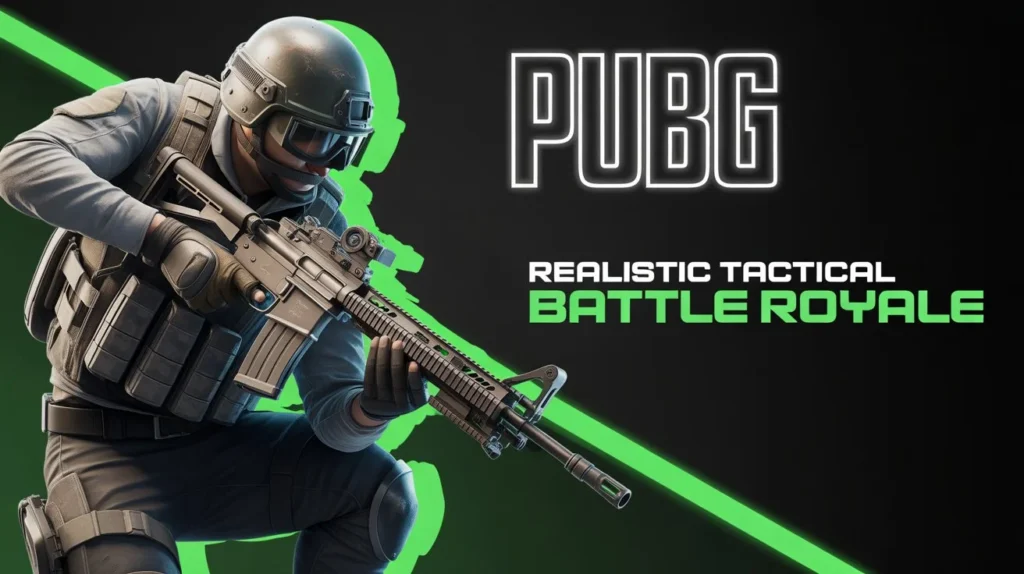
Battle Royale as a concept originated from a mashup of survival game ideas and last-man-standing mechanics. PUBG was one of the first titles to bring this style into mainstream success. Originally a paid, hardcore shooter experience, PUBG focused on realistic gunplay, tactical strategy, and an atmosphere where every decision could mean the difference between life and defeat.
Fortnite, on the other hand, burst into the scene with a bold twist. What began as a co-op survival game quickly pivoted into a free-to-play battle royale format. With its vibrant art style and novel building mechanics, Fortnite attracted players who were drawn to fast-paced action and creative engagement.
Gameplay Mechanics and Core Differences
Combat and Shooting
PUBG’s combat is grounded in realism. Weapons simulate real-world recoil, bullet drop, and attachments have significant effects on performance. Movement is cautious and deliberate, and strategic positioning is crucial.
Fortnite’s gunplay is more arcade-like. While weapons have varying stats and rarities, combat emphasizes quick reactions, mobility, and adaptability.
Building vs No-Building
Perhaps the most defining difference lies in Fortnite’s building system. Players can instantly construct walls, ramps, and platforms using harvested materials. This adds layers of creative strategy — from fortifying positions to gaining the high ground mid-combat.
PUBG does not offer any building mechanics. Instead, it emphasizes environmental awareness, use of shadows, terrain, and existing architectural structures.
Game Pacing
Fortnite matches are typically faster and more chaotic. The building mechanic and respawn modes in certain playlists encourage aggressive play. PUBG is slower by design; engagements are calculated, and the pace can often feel more methodical.
Graphics, Design, and Visual Identity
Realism vs Stylization
PUBG leans toward a gritty, military-inspired aesthetic. Textures, sound design, and color palettes aim to immerse players in a believable battlefield.
Fortnite contrasts sharply with its cartoony visuals, bright colors, and whimsical elements. This design choice not only broadens its appeal to younger players but also supports its dynamic, ever-changing worlds.
Map Variety
Both games offer a range of maps with diverse environments. PUBG’s terrain varies from arid deserts to dense forests and snow-covered areas. Fortnite’s maps are more fantastical and evolve over time with seasonal changes, events, and thematic shifts (e.g., alien invasions, superheroes, and cultural crossovers).
Progression, Customization, and Monetization
Battle Pass and Rewards
Fortnite popularized the Battle Pass system: players purchase seasonal progression tracks with cosmetic rewards. This model became so successful that many other games, including PUBG, adopted similar systems.
PUBG offers tiered rewards, character outfits, weapon skins, and crates — some of which can be earned through play or purchased.
Monetization
Fortnite is free-to-play on all platforms, relying entirely on cosmetic purchases to generate revenue. PUBG has mixed models depending on the platform — it was initially paid on PC/console and free on mobile, with optional cosmetic purchases.
Cross-Platform Play and Accessibility
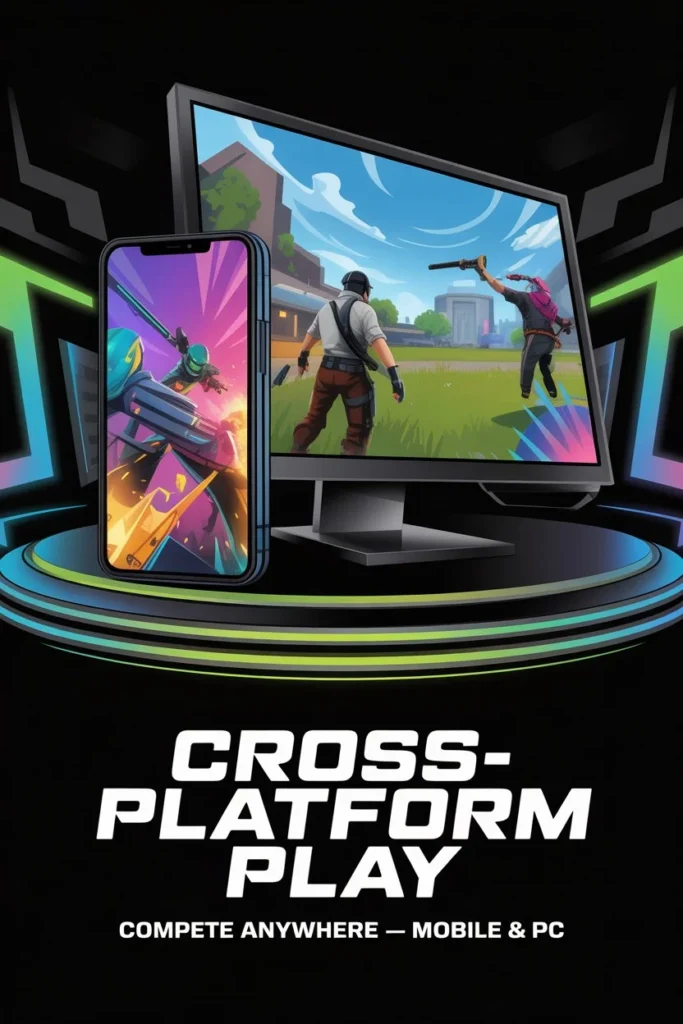
One of the biggest shifts in modern gaming has been the rise of cross-platform play. Both PUBG and Fortnite allow players across PC, consoles, and mobile devices to compete together, though matchmaking may prioritize performance and control input over raw skill equivalency to maintain fair play.
Fortnite’s smoother integration of cross-play from launch gave it an edge with large, unified communities. PUBG has also supported cross-play but staggered across regions and versions.
Competitive and Esports Scene
Both titles built strong esports ecosystems. PUBG events focus on tactical team play and have seen partnerships with major tournament organizers. Fortnite’s competitive scene blends solo showdowns with team tournaments, often accompanied by massive prize pools and mainstream spectator segments.
The variance in pacing and mechanics means that the skillset for competitive mastery in each game differs significantly: PUBG rewards map control and tactics, while Fortnite rewards building dexterity and rapid decision-making.
Mobile Gaming Impact
In many regions, mobile gaming defines a game’s success. PUBG Mobile’s arrival brought high-fidelity battle royale to millions of players who lacked access to gaming PCs or consoles. Its optimized controls, smaller map variants, and mobile-first mechanics made it popular across Asia, the Middle East, and Latin America.
Fortnite’s mobile presence has seen highs and lows, but where available, it shares the console/PC feature set, including building controls adapted for touchscreens, seasonal updates, and social tenacity.
Community and Cultural Influence
Fortnite’s impact on popular culture has been massive. Dance emotes, crossover events with celebrities and movie franchises, and in-game concerts have kept the game in mainstream conversations beyond traditional gaming circles.
PUBG has also been culturally significant, particularly in markets like South Asia and Southeast Asia, where it became more than just a game — a social hub and competitive staple.
Which Is Better for You?
There is no single correct answer. Preference between PUBG and Fortnite often comes down to:
- Gameplay Style: Tactical realism vs creative chaos.
- Visual Preference: Gritty environments vs playful art.
- Time Investment: Longer, strategic matches vs quick-paced encounters.
- Platform: Which device you play on and how comfortable you are with touch controls or keyboard/mouse builds.
- Community: Friends, clan dynamics, and preferred social experience.
Final Verdict
The showdown between PUBG and Fortnite continues to be one of the most fascinating rivalries in modern gaming. Though both share the battle royale label, their design philosophies, gameplay structures, and cultural footprints create distinct experiences. Whether you appreciate the tactical tension of PUBG or the creative exhilaration of Fortnite, both games have pushed the boundaries of what multiplayer gaming can be — and will likely continue to evolve in ways that shape the future of interactive entertainment.